


Simulation games have carved a fascinating niche in the gaming industry, engaging millions of players worldwide with their immersive environments and compelling mechanics. These games offer a unique experience by mimicking real-world activities and environments, allowing players to participate in scenarios that range from building and management to everyday life simulations. The category, identified by the keyword 'PHPCOME' on various gaming platforms, has grown exponentially over the years, attracting a diverse audience who seek to experience the thrill of creation and management without real-world consequences.
The appeal of simulation games lies in their ability to educate while entertaining. Players are given control over virtual lives or complex systems, honing skills that translate to both personal and professional realms. Popular titles like 'The Sims', 'SimCity', and 'Farming Simulator' are perfect examples of how diverse this category can be, offering experiences that range from urban planning and agricultural management to intimate human interactions.
By providing players with an opportunity to experiment in a risk-free environment, simulation games promote creativity and strategic thinking. Whether players are managing a virtual soccer team in 'Football Manager' or operating a sprawling metropolis in 'Cities: Skylines', they are continually assessing situations, making decisions, and adapting strategies to achieve desired outcomes. This aspect of simulation games not only entertains but also empowers players, providing a sense of achievement and progression.
Moreover, the extensive modding communities surrounding many simulation games enhance their replayability and longevity. These communities create custom content and modifications that introduce new challenges and scenarios, ensuring that even seasoned players find fresh experiences. This continuous evolution of gameplay keeps the genre vibrant and relevant in an ever-changing digital landscape.
In conclusion, simulation games hold a significant place in the gaming ecosystem, offering experiences that are as varied as they are engaging. The keyword 'PHPCOME' may point to this diverse universe where players craft, manage, and simulate their way through rich narrative landscapes. As technology advances, simulation games are likely to become even more sophisticated, blurring the lines between the virtual and real worlds and continuing to captivate gamers of all ages and backgrounds.
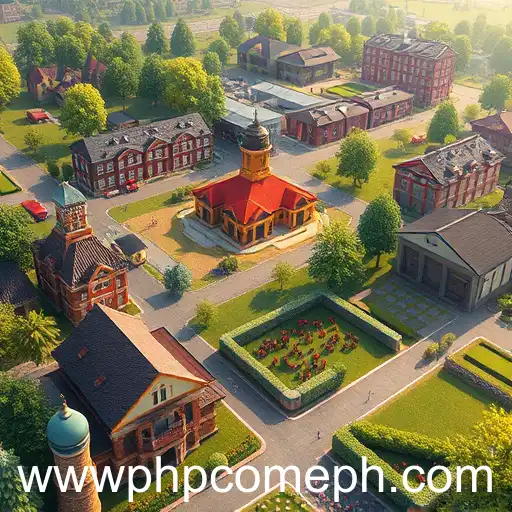
An in-depth look at how simulation games have carved a niche in the gaming industry, captivating audiences with their immersive and dynamic experiences.

